


Skip links
OPHTHALMOLOGY & VISION CARE

Cataract Surgery in Türkiye

Cataract surgery removes a cloudy natural lens and usually replaces it with an intraocular lens to improve vision affected by cataract. Cureristic helps you understand the questions to ask and the practical steps in arranging an independent clinical opinion in Türkiye.

Clinical advice and treatment decisions are provided by independent qualified healthcare professionals.

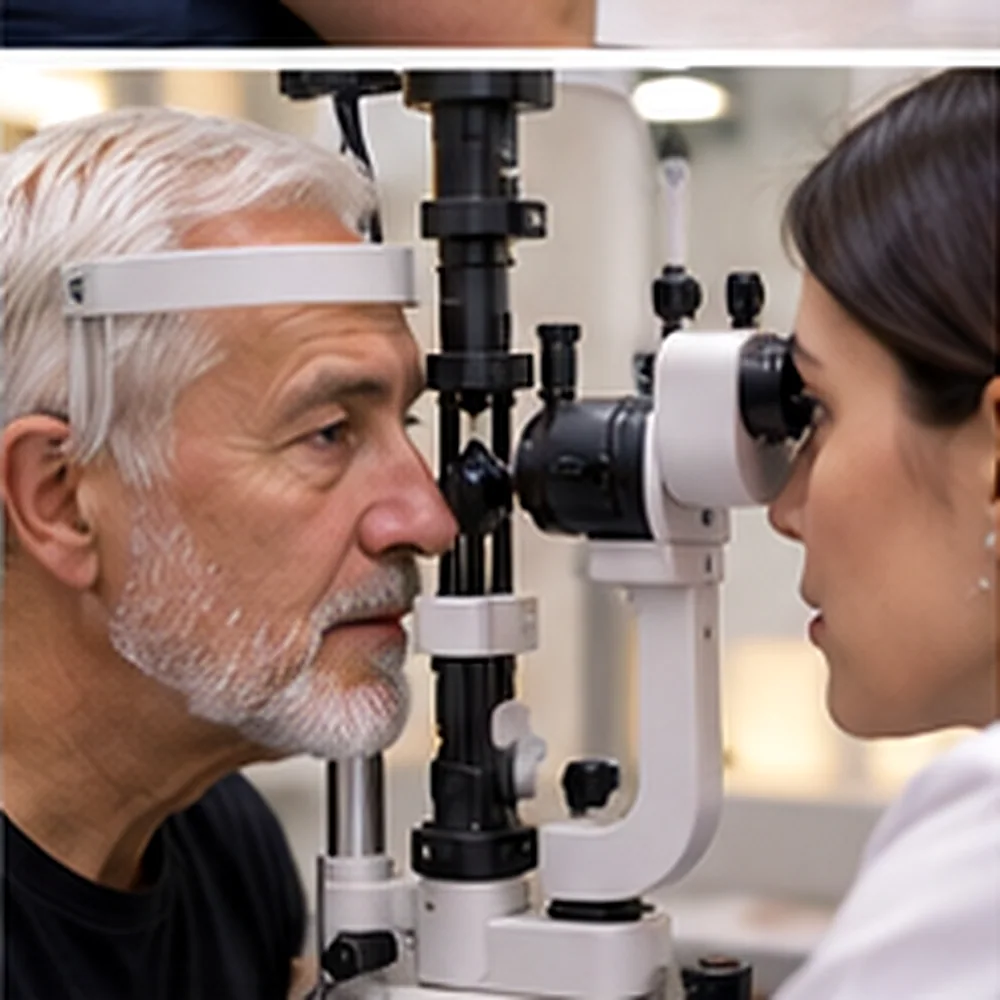
Illustrative clinical visual for cataract-surgery; not an actual patient result
UNDERSTANDING YOUR OPTIONS

Cataract Surgery, clearly explained.

Cataract surgery removes a cloudy natural lens and usually replaces it with an intraocular lens to improve vision affected by cataract.

Ophthalmology assessment includes eye measurements, retina health and discussions about lens selection and expected vision needs.

01

Clinical assessment

Suitability depends on symptoms, eye health and how the cataract affects everyday life.
02

Personalized planning

Ophthalmology assessment includes eye measurements, retina health and discussions about lens selection and expected vision needs.
03

Thoughtful coordination

Updated glasses or continued monitoring may be reasonable while symptoms are manageable.
PROCEDURE-SPECIFIC DETAILS

How the treatment journey works

Ophthalmology assessment includes eye measurements, retina health and discussions about lens selection and expected vision needs.

Any procedure should be carried out or prescribed by appropriately qualified clinicians. The approach and sequence vary by individual assessment.

01

Assessment

Suitability depends on symptoms, eye health and how the cataract affects everyday life.

02

Planning

Ophthalmology assessment includes eye measurements, retina health and discussions about lens selection and expected vision needs.

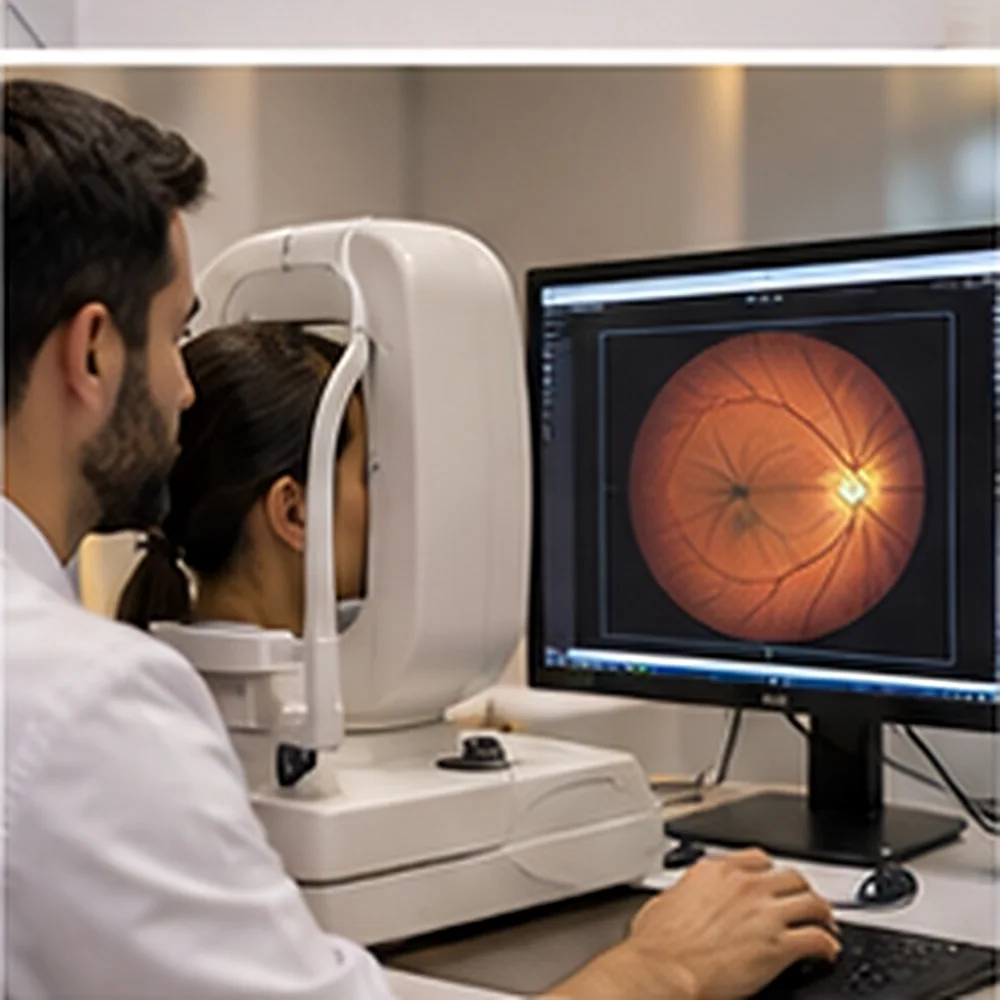
Illustrative clinical visual for retinal-specialist-eye-care; not an actual patient result
03

The procedure

Cataract surgery removes a cloudy natural lens and usually replaces it with an intraocular lens to improve vision affected by cataract. The clinician will explain the actual method, consent requirements and potential limitations before any intervention.

04

Recovery & follow-up

Use prescribed eye drops and attend early follow-up appointments; seek urgent care for severe pain or sudden vision loss.

SUITABILITY, ALTERNATIVES & RISKS

Suitability, alternatives and risks

01

Who may be suitable?

Suitability depends on symptoms, eye health and how the cataract affects everyday life.

02

Other options

Updated glasses or continued monitoring may be reasonable while symptoms are manageable.

03

Possible risks

Infection, inflammation, retinal complications, pressure changes and residual refractive error are possible.

04

Recovery needs

Use prescribed eye drops and attend early follow-up appointments; seek urgent care for severe pain or sudden vision loss.

Content for general education only. Clinical services, suitability, costs and outcomes must be confirmed directly with an appropriately qualified healthcare professional.
THE CURERISTIC APPROACH

Thoughtful guidance, beyond the treatment

Learn what to ask, what records may be needed and how to approach the next consultation with clarity.

01

Personal Guidance

Talk through your goals and the information you need before seeking clinical advice.
02

Provider Communication

Prepare questions for independent providers about qualifications, suitability, risks, pricing and aftercare.
03

Travel & Practical Planning

Consider travel, appointment timing, language support and follow-up arrangements.

Healthcare decisions remain yours and your treating clinician's.

YOUR HEALTHCARE JOURNEY

A considered journey from enquiry to follow-up

The steps shown are illustrative; your actual care plan must come from a qualified clinical team.
01

Share your enquiry

Describe your concerns, goals and any clinical records you are comfortable sharing.
02

Connect with providers

Suitability depends on symptoms, eye health and how the cataract affects everyday life.
03

Coordinate your visit

Ophthalmology assessment includes eye measurements, retina health and discussions about lens selection and expected vision needs.
04

Stay connected

Use prescribed eye drops and attend early follow-up appointments; seek urgent care for severe pain or sudden vision loss.
FREQUENTLY ASKED QUESTIONS

Cataract Surgery — frequently asked questions

These answers introduce common considerations and do not replace professional medical advice.

What is Cataract Surgery?

Cataract surgery removes a cloudy natural lens and usually replaces it with an intraocular lens to improve vision affected by cataract.

Who may be suitable?

Suitability depends on symptoms, eye health and how the cataract affects everyday life.

Will cataract surgery remove the need for glasses?

Not always. The lens choice and pre-existing eye conditions affect whether glasses remain necessary.

What are the risks and alternatives?

Infection, inflammation, retinal complications, pressure changes and residual refractive error are possible. Updated glasses or continued monitoring may be reasonable while symptoms are manageable.

What should I know about aftercare?

Use prescribed eye drops and attend early follow-up appointments; seek urgent care for severe pain or sudden vision loss.

YOUR NEXT STEP

A clearer path starts with a conversation

Tell us what you would like to understand. We can help you prepare for a provider-led clinical discussion.

Tell us what you need

Share your enquiry to start a conversation about practical coordination and clinical assessment options.

Add your existing WPForms widget here after the draft preview is approved.

Cureristic does not diagnose or guarantee treatment outcomes. Independent licensed professionals make medical decisions.
Explore
Drag