

Dental Veneers in Türkiye
Clinical advice and treatment decisions are provided by independent qualified healthcare professionals.
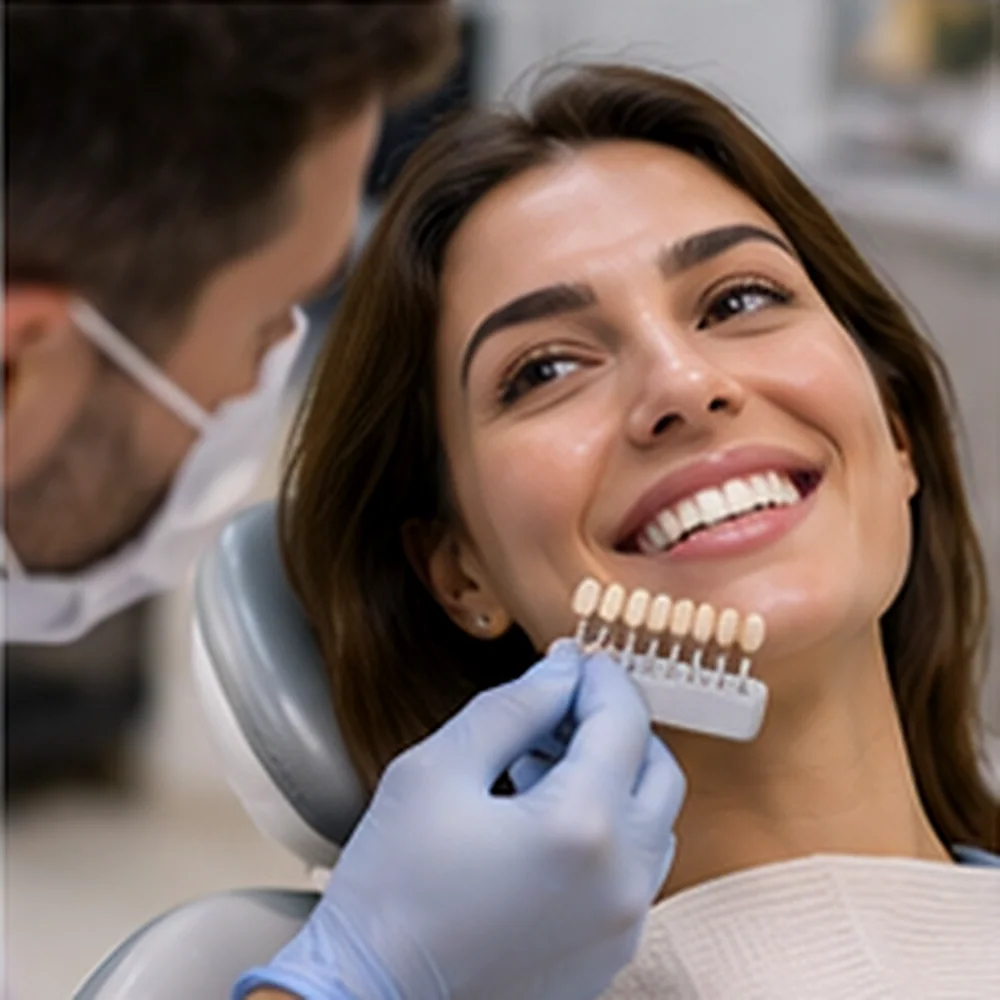
Dental Veneers, clearly explained.
Thin, custom-designed coverings for the visible front surfaces of teeth can change shape, shade and proportion while retaining a natural-looking smile.
A dentist reviews enamel, gum health, bite and the desired appearance before discussing porcelain or composite veneers. Some preparations involve irreversible enamel removal.
Clinical assessment
Personalized planning
Thoughtful coordination
How the treatment journey works
A dentist reviews enamel, gum health, bite and the desired appearance before discussing porcelain or composite veneers. Some preparations involve irreversible enamel removal.
Any procedure should be carried out or prescribed by appropriately qualified clinicians. The approach and sequence vary by individual assessment.
Assessment
People seeking cosmetic changes to healthy, stable teeth may be candidates after examination; active decay, gum disease or unmanaged grinding may need attention first.
Planning
A dentist reviews enamel, gum health, bite and the desired appearance before discussing porcelain or composite veneers. Some preparations involve irreversible enamel removal.
The procedure
Thin, custom-designed coverings for the visible front surfaces of teeth can change shape, shade and proportion while retaining a natural-looking smile. The clinician will explain the actual method, consent requirements and potential limitations before any intervention.
Recovery & follow-up
Maintain routine dental hygiene, avoid using teeth to open packaging and attend dental reviews. An individual care plan is important for long-term maintenance.
Suitability, alternatives and risks
Who may be suitable?
People seeking cosmetic changes to healthy, stable teeth may be candidates after examination; active decay, gum disease or unmanaged grinding may need attention first.
Other options
Bonding, orthodontics, whitening or crowns may be more appropriate, depending on whether the priority is colour, alignment or structural support.
Possible risks
Tooth sensitivity, chipping, debonding and the need for future replacement are possible. Preparation requirements and longevity vary with the material and individual habits.
Recovery needs
Maintain routine dental hygiene, avoid using teeth to open packaging and attend dental reviews. An individual care plan is important for long-term maintenance.
Explore the treatment in context
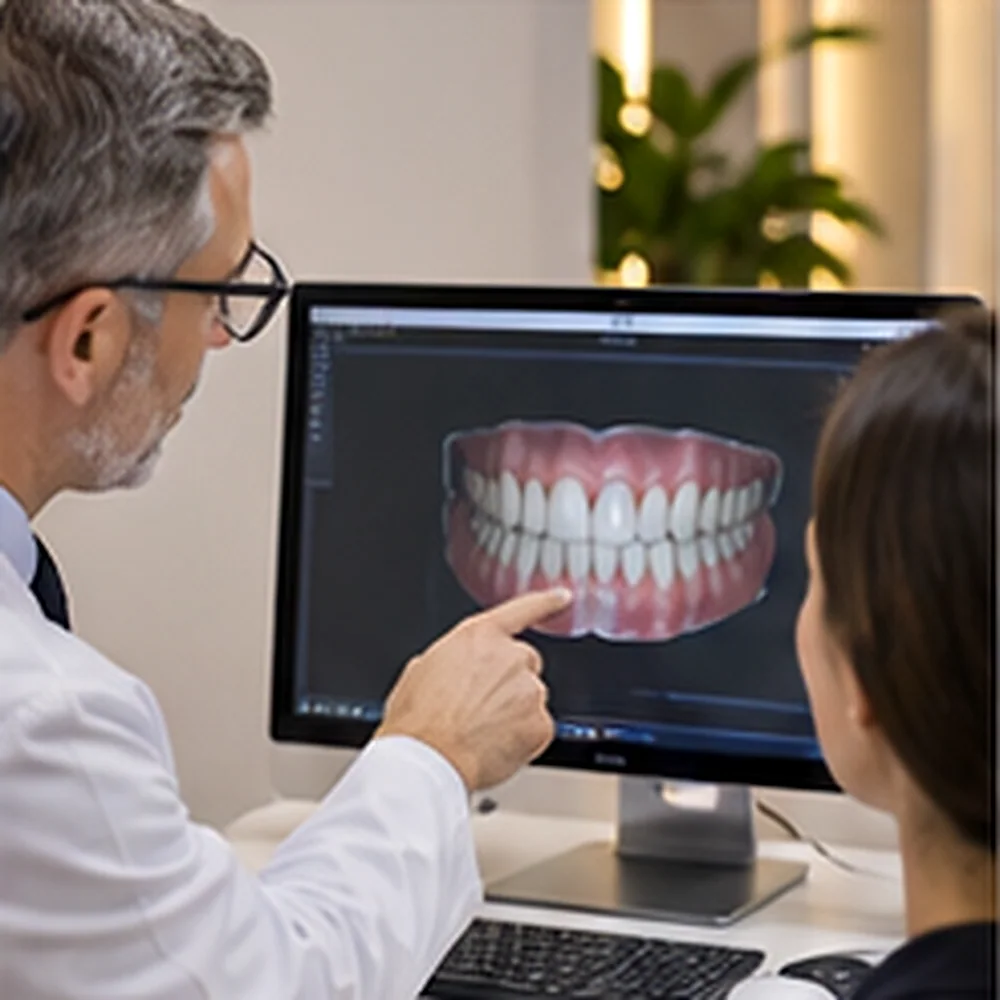
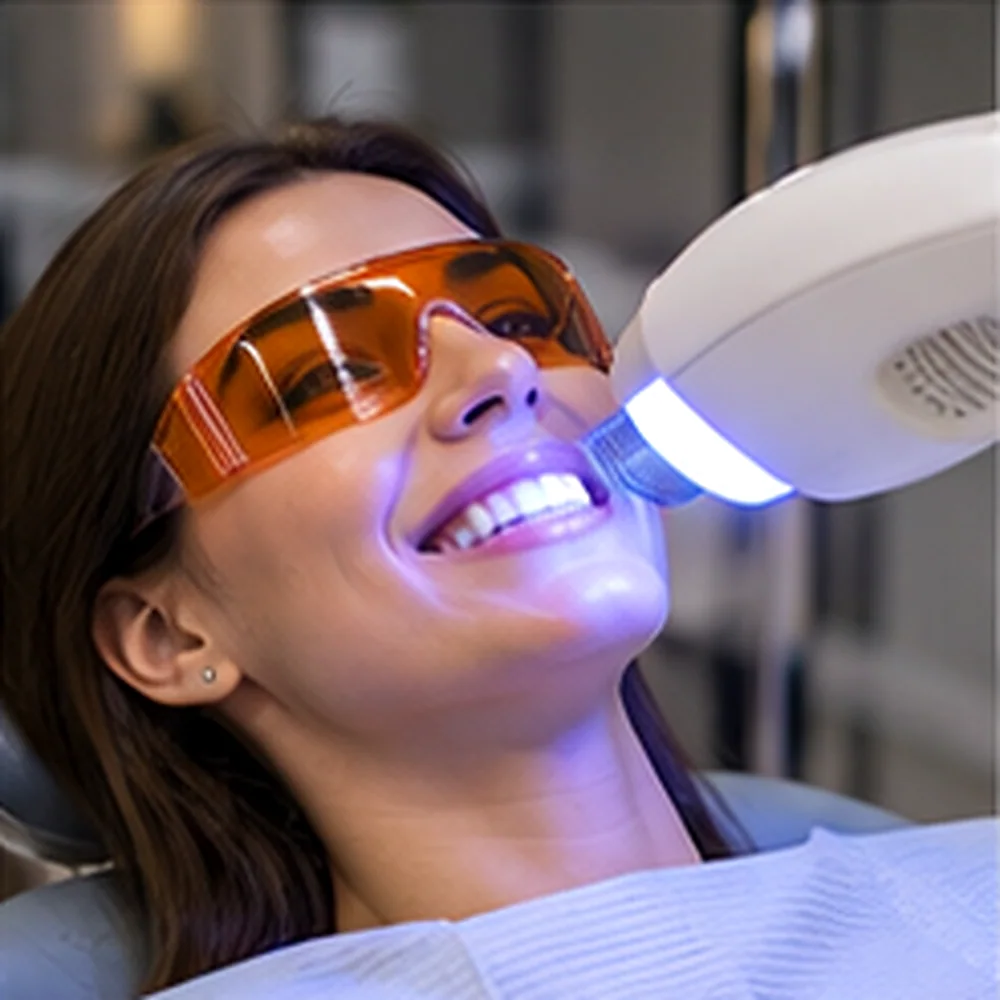
Illustrative imagery only. Real clinical environments and treatment options depend on the independent provider.
Thoughtful guidance, beyond the treatment
Learn what to ask, what records may be needed and how to approach the next consultation with clarity.
Personal Guidance
Provider Communication
Travel & Practical Planning
Healthcare decisions remain yours and your treating clinician's.
A considered journey from enquiry to follow-up
Share your enquiry
Connect with providers
Coordinate your visit
Stay connected
Dental Veneers — frequently asked questions
What is Dental Veneers?
Thin, custom-designed coverings for the visible front surfaces of teeth can change shape, shade and proportion while retaining a natural-looking smile.
Who may be suitable?
People seeking cosmetic changes to healthy, stable teeth may be candidates after examination; active decay, gum disease or unmanaged grinding may need attention first.
Do veneers always require tooth reduction?
Preparation depends on the tooth position and chosen system; some cases require enamel reduction, so the dentist should explain what is permanent.
What are the risks and alternatives?
Tooth sensitivity, chipping, debonding and the need for future replacement are possible. Preparation requirements and longevity vary with the material and individual habits. Bonding, orthodontics, whitening or crowns may be more appropriate, depending on whether the priority is colour, alignment or structural support.
What should I know about aftercare?
Maintain routine dental hygiene, avoid using teeth to open packaging and attend dental reviews. An individual care plan is important for long-term maintenance.
Other options to explore
Dental Implants in Türkiye
Full-Mouth Rehabilitation in Türkiye
A clearer path starts with a conversation
Tell us what you need
Add your existing WPForms widget here after the draft preview is approved.