
FUE Hair Transplant in Türkiye
Clinical advice and treatment decisions are provided by independent qualified healthcare professionals.
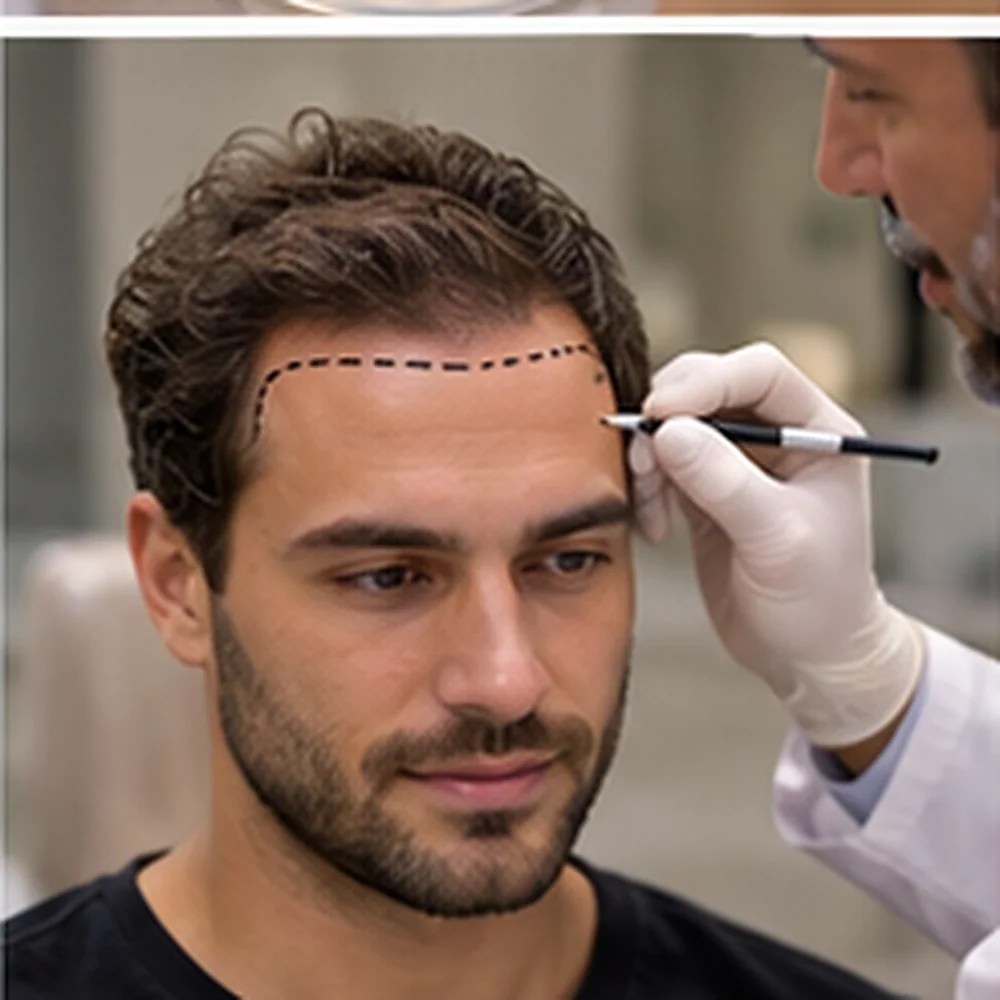
FUE Hair Transplant, clearly explained.
Follicular Unit Extraction (FUE) involves collecting individual follicular units from a donor area for placement in areas of hair loss.
The clinician evaluates hair loss pattern, scalp health and donor reserve, then plans harvesting and placement angles. Long-term progression is discussed before surgery.
Clinical assessment
Personalized planning
Thoughtful coordination
How the treatment journey works
The clinician evaluates hair loss pattern, scalp health and donor reserve, then plans harvesting and placement angles. Long-term progression is discussed before surgery.
Any procedure should be carried out or prescribed by appropriately qualified clinicians. The approach and sequence vary by individual assessment.
Assessment
Suitability depends on the cause and stability of hair loss, donor density, medical history and expectations.
Planning
The clinician evaluates hair loss pattern, scalp health and donor reserve, then plans harvesting and placement angles. Long-term progression is discussed before surgery.

The procedure
Follicular Unit Extraction (FUE) involves collecting individual follicular units from a donor area for placement in areas of hair loss. The clinician will explain the actual method, consent requirements and potential limitations before any intervention.
Recovery & follow-up
Follow scalp cleaning instructions and avoid disturbing grafts; ongoing hair-loss management may still be needed.
Suitability, alternatives and risks
Who may be suitable?
Suitability depends on the cause and stability of hair loss, donor density, medical history and expectations.
Other options
Medication, topical treatments or non-surgical management may be options depending on diagnosis.
Possible risks
Scarring, infection, temporary shedding, patchy growth and donor-area thinning can occur. Hair loss may continue outside treated areas.
Recovery needs
Follow scalp cleaning instructions and avoid disturbing grafts; ongoing hair-loss management may still be needed.
Explore the treatment in context
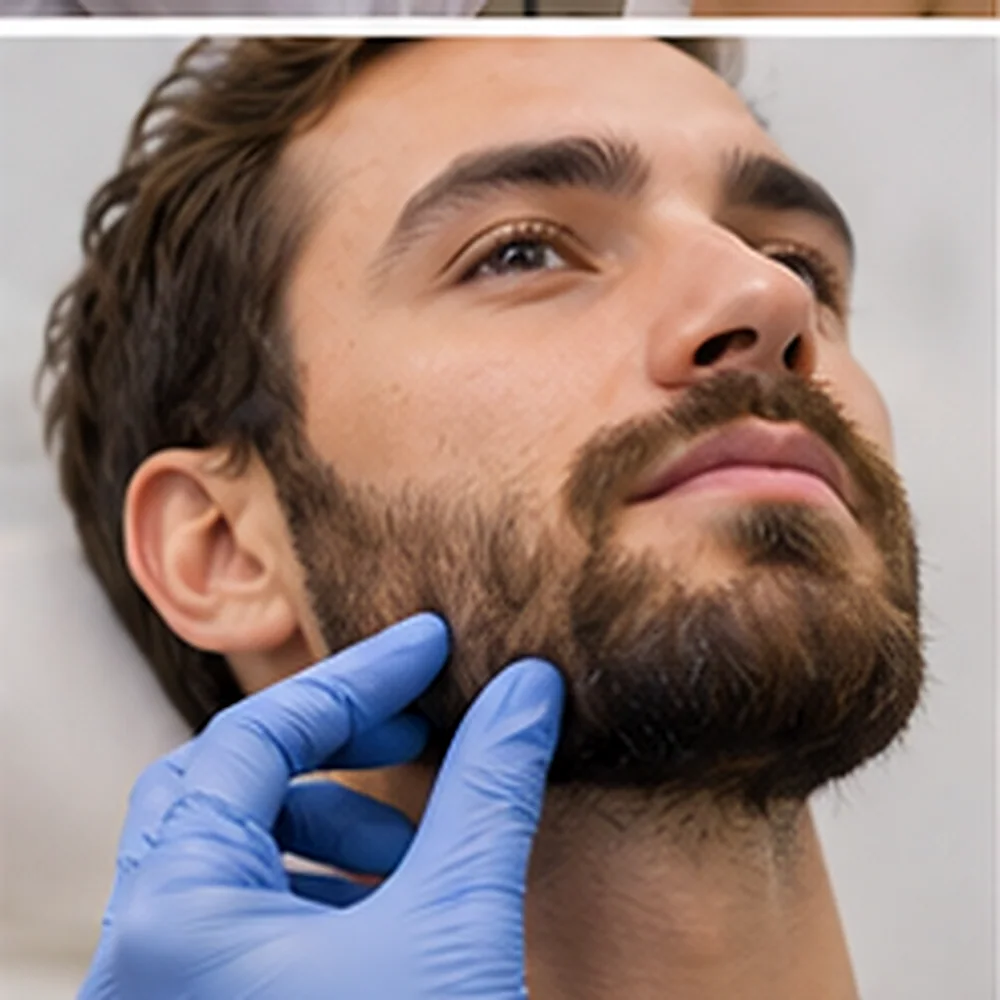
Illustrative imagery only. Real clinical environments and treatment options depend on the independent provider.
Thoughtful guidance, beyond the treatment
Learn what to ask, what records may be needed and how to approach the next consultation with clarity.
Personal Guidance
Provider Communication
Travel & Practical Planning
Healthcare decisions remain yours and your treating clinician's.
A considered journey from enquiry to follow-up
Share your enquiry
Connect with providers
Coordinate your visit
Stay connected
FUE Hair Transplant — frequently asked questions
What is FUE Hair Transplant?
Follicular Unit Extraction (FUE) involves collecting individual follicular units from a donor area for placement in areas of hair loss.
Who may be suitable?
Suitability depends on the cause and stability of hair loss, donor density, medical history and expectations.
Is FUE a scar-free procedure?
No. FUE typically leaves tiny extraction scars; visibility varies with technique, donor characteristics and hairstyle.
What are the risks and alternatives?
Scarring, infection, temporary shedding, patchy growth and donor-area thinning can occur. Hair loss may continue outside treated areas. Medication, topical treatments or non-surgical management may be options depending on diagnosis.
What should I know about aftercare?
Follow scalp cleaning instructions and avoid disturbing grafts; ongoing hair-loss management may still be needed.
Other options to explore
DHI Hair Transplant in Türkiye
Sapphire FUE Hair Transplant in Türkiye
A clearer path starts with a conversation
Tell us what you need
Add your existing WPForms widget here after the draft preview is approved.